
Top Waterproofing Products for Effective and Long-Lasting Protection
Discover the leading waterproofing solutions designed to safeguard your property from water damage and ensure durability.
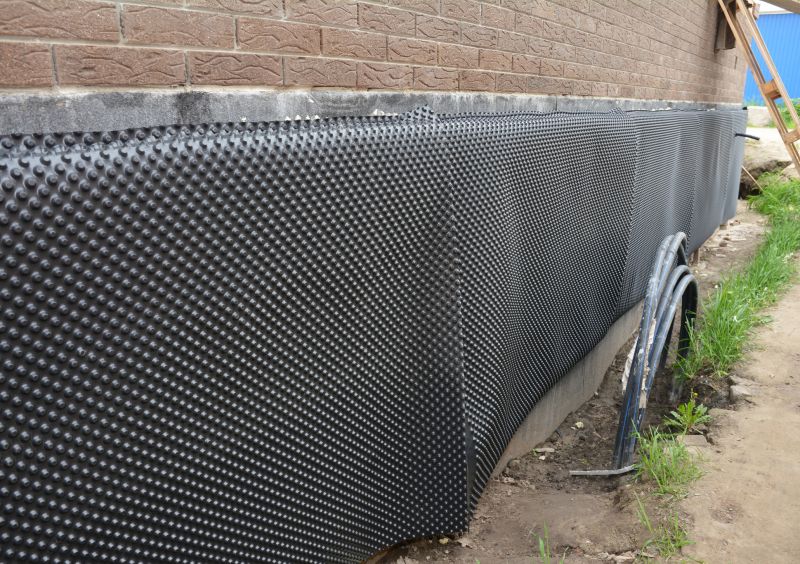 Waterproofing products are essential for protecting structures, surfaces, and materials from water intrusion and damage. Whether it is for residential, commercial, or industrial applications, selecting the appropriate waterproofing solution depends on various factors including the type of surface, exposure conditions, and longevity requirements. In Grand Rapids, MI, where seasonal weather fluctuations can lead to moisture challenges, having reliable waterproofing products is especially important. These products help prevent issues such as mold growth, structural deterioration, and interior water leaks, contributing to the durability and safety of buildings.
Top Overall Option
Fluid Applied Waterproofing Membrane
A versatile fluid applied waterproofing membrane provides a seamless, continuous barrier that adheres well to various surfaces, including concrete, wood, and metal. Its ease of application allows for effective coverage of complex shapes and details, making it suitable for foundations, roofs, and decks. This type of waterproofing is often favored for its flexibility and ability to accommodate slight structural movements, reducing the risk of cracks or breaches over time.
Types of Products For Waterproofings
Liquid Rubber Coatings
Flexible coatings that create a seamless waterproof layer on roofs, decks, and foundations, often used for their durability and ease of application.
Bituminous Membranes
Traditional asphalt-based sheets or membranes that are commonly used for roofing and below-grade waterproofing projects.
Polyurethane Sealants
High-performance sealants suitable for sealing joints, cracks, and gaps in various surfaces to prevent water intrusion.
Cementitious Coatings
Waterproof coatings made from cement and polymers, often applied to basement walls and foundations for a durable barrier.
Sheet Membranes
Pre-formed sheets made of rubber, asphalt, or other materials that are adhered or mechanically fastened to surfaces for waterproofing.
Spray-On Coatings
Spray-applied waterproof coatings that form a seamless barrier, ideal for irregular surfaces and large areas.
Liquid Membranes
Brush or roller-applied liquid membranes that cure to form a flexible, waterproof layer suitable for various surfaces.
Polymer Modified Bitumen
Enhanced bitumen products that offer improved elasticity and waterproofing performance for roofing and below-grade applications.
Acrylic Coatings
Water-based coatings that provide waterproofing and UV resistance for roofs, decks, and walls.
Hydrophobic Sealants
Sealants designed to repel water and prevent penetration in porous surfaces like concrete and stone.
Bitumen Sheets
Self-adhesive or torch-applied sheets used mainly for roofing and foundation waterproofing.
Crack Fillers
Specialized products for filling and sealing cracks in concrete and masonry surfaces to prevent water ingress.
Waterproofing Paints
Coatings that can be painted on surfaces to provide a water-resistant layer, often used for walls and ceilings.
Vapor Barriers
Materials designed to prevent moisture transmission through walls, floors, and ceilings, often used in basements and crawl spaces.
Popular Choices
A popular option for creating seamless waterproof layers on various surfaces, appreciated for its flexibility and ease of use.
Widely used for roofing and foundation waterproofing, these membranes are valued for their reliability and durability.
Commonly chosen for sealing joints and cracks, offering strong adhesion and water resistance.
Pre-formed sheets that provide a consistent waterproof barrier, suitable for large surface areas.
Popular for their ability to cover irregular shapes and large areas quickly with a seamless layer.
Often used for basement walls and foundations, these coatings are valued for their compatibility with concrete surfaces.
Chosen for their UV resistance and ease of application on roofs and walls.
Effective for porous surfaces, these sealants help repel water and prevent penetration.
Essential for maintaining the integrity of concrete and masonry structures by sealing cracks.
Easy-to-apply coatings that provide additional water resistance to walls and ceilings.
Effective for controlling moisture transmission in basements and crawl spaces.
Different waterproofing products serve different purposes, from sealing cracks and joints to creating a barrier on surfaces like roofs, foundations, and decks. Some products are designed for interior use, while others are suitable for exterior applications. Proper application and selection are key to ensuring effective protection. It is also important to consider the compatibility of waterproofing materials with existing surfaces and materials, as well as the ease of application and maintenance requirements.
In addition to traditional liquid membranes and sealants, there are also innovative options such as sheet membranes and spray-applied coatings that can offer enhanced coverage and durability. For homeowners and contractors in Grand Rapids, MI, understanding the range of available options can help in making informed decisions tailored to specific project needs. Reliable waterproofing not only extends the lifespan of structures but also helps maintain the integrity and value of properties over time.
Key Buying Considerations
- Surface compatibility: Ensure the product is suitable for the specific material you are waterproofing.
- Application method: Consider whether the product is applied by brush, roller, spray, or adhesive, and choose based on your project needs.
- Project area size: Select products designed for the scale of your project to ensure adequate coverage.
- Flexibility: For structures prone to movement, choose flexible formulations to prevent cracking.
- Durability: Consider the expected lifespan and resistance to UV, temperature fluctuations, and wear.
- Water exposure level: Match the product’s waterproofing capacity to the severity of water exposure in the environment.
- Curing time: Be aware of drying and curing times to plan your project schedule accordingly.
- Ease of maintenance: Some products require minimal upkeep, which can be advantageous for long-term performance.
- Compatibility with existing materials: Verify that the new waterproofing layer adheres well to surfaces already in place.
- Environmental conditions: Consider temperature and humidity during application for optimal results.
- Cost and budget: Balance quality and affordability to select a product that meets your needs without overspending.
- Safety and handling: Check for any safety precautions or protective equipment needed during application.
- Manufacturer reputation: Opt for products from reputable manufacturers with good reviews and reliable performance.
- Warranty or guarantee: While not guarantees, some products come with manufacturer assurances of performance.